Rudraksha Lab Software vs Manual Certificates: Cost, Speed and Trust
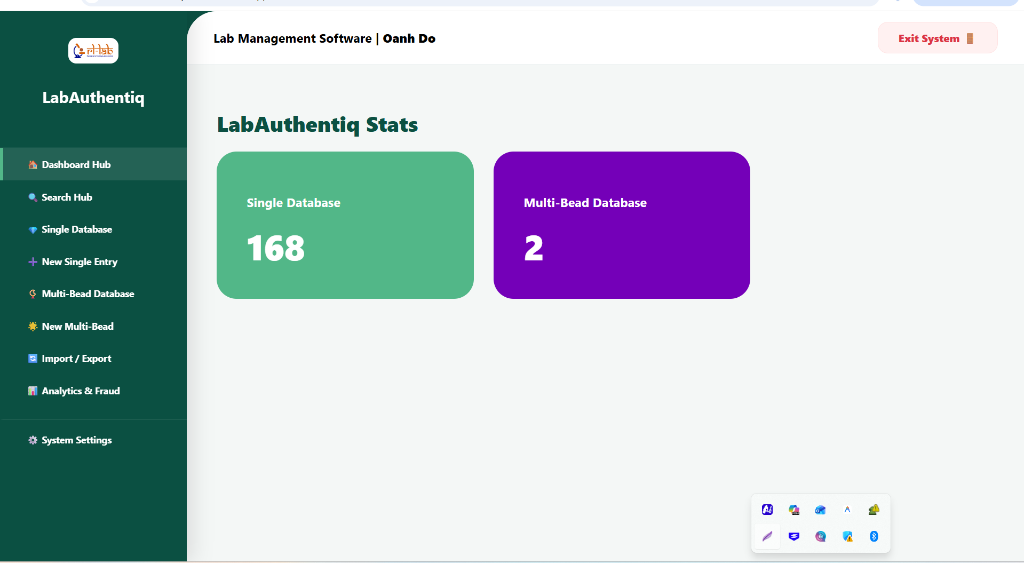
Evaluating rudraksha lab software vs manual certificates is the defining financial question for gemstone and sacred bead testing laboratories. While manual tools like Adobe Photoshop, CorelDRAW, and Microsoft Word appear "free" on the surface, they secretly inflict massive labor costs, human clerical errors, and severe brand liability on growing testing centers.
In a high-stakes trade where authenticity certificates dictate transactions worth thousands of dollars, relying on manual files creates bottlenecks and invites forgery. Transitioning to dedicated rudraksha lab software not only accelerates testing turnaround from 45 minutes to 90 seconds per specimen, but also builds bulletproof buyer trust through automated Smart PVC card printing and sub-second cloud QR verification.
Cost, Speed and Trust: Why Testing Labs Replace Photoshop with Rudraksha Lab Software
Examining the operational reality of running a commercial testing facility reveals three critical pillars where manual methods fail completely:
1. Speed: 45 Minutes vs 90 Seconds
Under manual workflows, a technician must open Photoshop, crop the macro photo, import the radiograph, type the serial number, weight, dimensions, and locule tally into separate text layers, and manually calibrate printer margins for every single bead. This process takes 35 to 45 minutes per certificate, capping daily lab volume at 12 to 18 beads per operator.
With LabAuthentiq's automated rudraksha lab management system, the technician enters test measurements once. The software automatically applies printer templates, formats Smart PVC plastic cards, and saves cloud records in under 90 seconds—increasing daily testing capacity to over 150 beads per technician.
2. Cost: The Illusion of "Free" Manual Software
A technician earning ₹25,000 to ₹35,000 per month spending 45 minutes per certificate costs your business ₹90 to ₹130 in pure labor per bead. When factoring in wasted cardstock from misaligned Photoshop prints, manual methods actually cost significantly more per certificate than automated cloud software.
3. Trust: Permanent Cloud Verification vs Forged Paper
Photoshop files produce static paper printouts that lack digital proof. Anyone with basic computer skills can scan your paper certificate, change a 5 Mukhi to an 11 Mukhi, and print a convincing counterfeit. Read our comprehensive report on fake Rudraksha lab certificates and the AIGS scandal to see how static certificates are easily cloned.
By contrast, automated SaaS pairs every certificate with an unalterable cloud database record and dynamic QR code hosted on your laboratory's official custom domain.
| Feature / Metric | Manual Photoshop / Word | LabAuthentiq SaaS |
|---|---|---|
| Turnaround Time (Per Bead) | 35 – 45 Minutes | 60 – 90 Seconds (30x Faster) |
| Daily Lab Capacity (1 Staff) | 12 – 18 Beads Max | 120 – 160+ Beads Daily |
| Smart PVC Card Printing | Manual alignment; high card waste | Direct Thermal & Dye-Sub Drivers |
| Online QR Code Verification | None (or static dead PDF link) | Sub-second HTTPS Cloud Database |
| 108-Bead Mala Combinations | 3 – 4 Hours (Unstable tables) | 1-Click Automated Grid Dossier |
| Data Loss & Crash Protection | Local HDD only; risk of total loss | 150,000 Inode Cloud Storage & Backups |
| Multi-Branch / Multi-User Seats | Requires separate Adobe licenses | Unlimited Technician Seats Included |
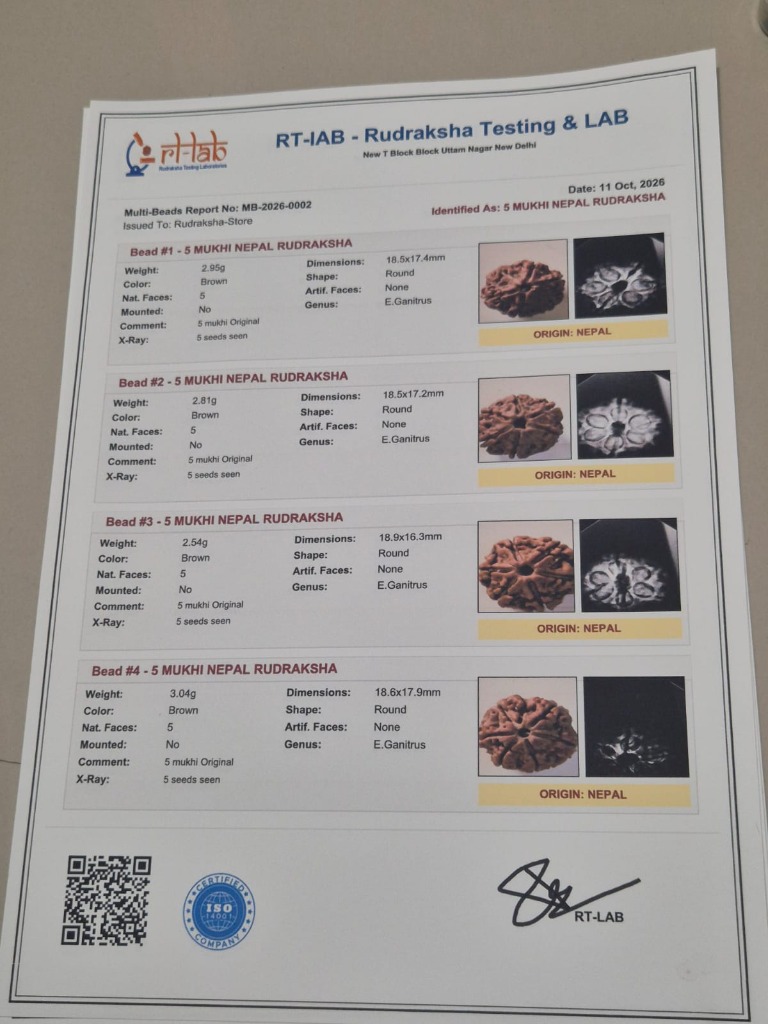 Automated High-Resolution A4 Certificate
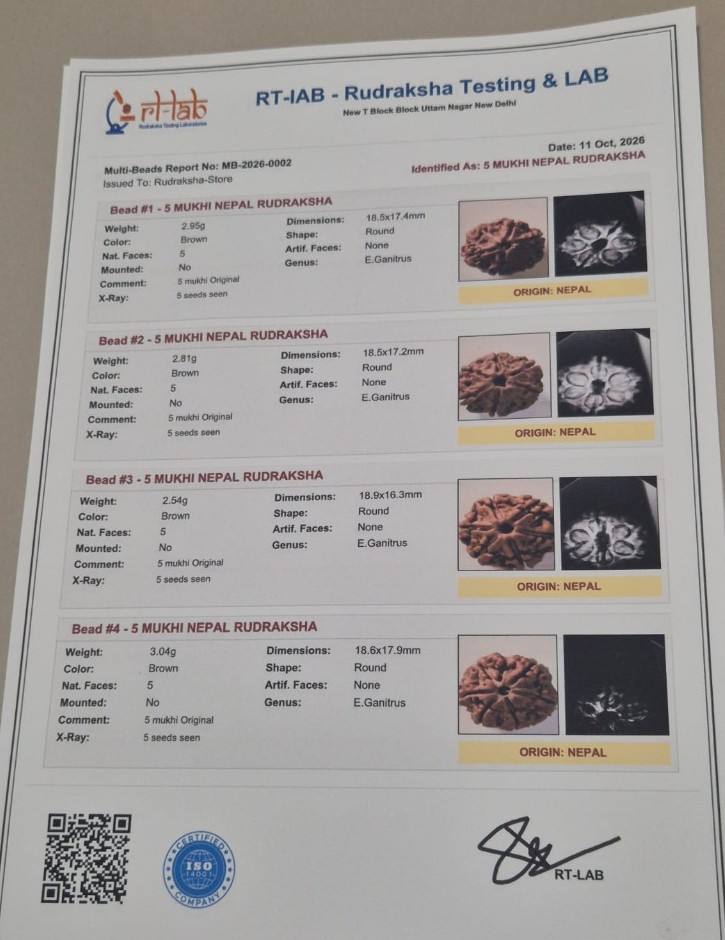 Automated Multi-Bead Mala Master Dossier
Return on Investment (ROI): How Lab Software Pays for Itself in 14 Days
Consider the financial arithmetic for a growing testing center:
- Turnkey Introductory Cost: LabAuthentiq SaaS costs only ₹15,000 for the entire first year, bundled with 1 Year of High-Speed Cloud Hosting, unlimited staff seats, and Smart PVC printer drivers.
- Testing Revenue per Bead: Standard laboratory certification fees range from ₹150 to ₹350 per specimen.
- Break-Even Benchmark: Testing just 60 to 75 beads completely recovers the annual software subscription fee. At an average output of 15 beads per day, the system achieves 100% ROI in under one week.
- Added Revenue from Mala Dossiers: Charging ₹1,500 to ₹3,000 for multi-bead Siddh Mala dossiers generates pure profit, as the software builds the complete 108-bead report in seconds without extra labor.
Recommended Technical Guides & Whitepapers
Frequently Asked Questions (FAQ)
How much faster is automated software than Photoshop? ↓
Photoshop templates require 35 to 45 minutes per certificate due to manual photo cropping, text typing, and margin alignment. LabAuthentiq SaaS automates the process in 90 seconds, multiplying your testing capacity by 30x.
Why do dealers reject manual certificates? ↓
Manual certificates lack online cloud verification databases and can be easily edited or copied. Sophisticated buyers demand certificates with dynamic QR codes that fetch live cloud records from verified laboratory domains.
How fast does LabAuthentiq pay for itself? ↓
Testing just 60 to 75 beads covers the entire annual introductory software fee of ₹15,000. Most laboratories break even and achieve full ROI in their first two weeks of operation.
Can the software handle 108-bead mala combinations? ↓
Yes. LabAuthentiq includes an automated multi-bead mala engine that arranges all 108 macro photos, X-rays, weights, and locule counts into printable A4 multi-page and A3 master spread dossiers in under 30 seconds.
Upgrade to Automated Rudraksha Lab Software
Eliminate human errors, cut turnaround time by 90%, and issue tamper-proof Smart PVC cards backed by 1 Year of High-Speed Cloud Hosting.