Fake Rudraksha Lab Certificates: How to Spot Them and How Labs Prevent Forgery
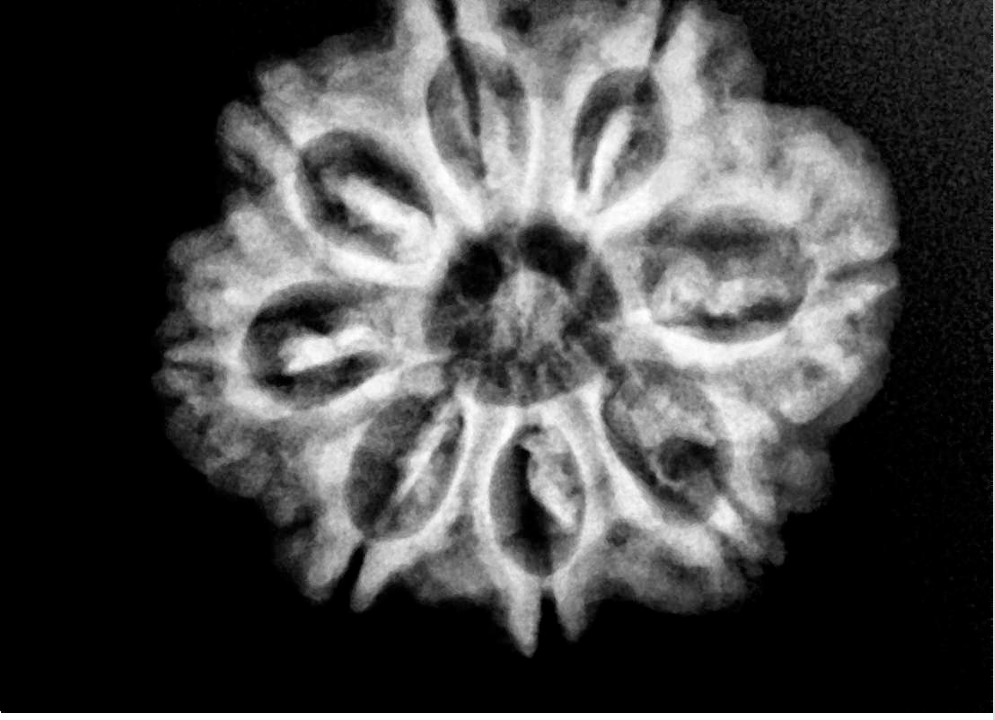
The proliferation of fake rudraksha lab certificates poses a severe threat to consumers, temple authorities, and ethical gemological laboratories. As rare beads (such as 1 Mukhi, 14–21 Mukhi, Gauri Shankar, and Trijuti) command prices ranging from thousands to hundreds of thousands of dollars, illicit syndicates regularly forge testing reports to sell carved or glued counterfeits.
To protect buyers and safeguard your laboratory's reputation, testing centers must understand the anatomy of modern certificate forgery—most notably how scammers clone QR codes and create spoofed verification websites—and how enterprise rudraksha lab software makes certificates impossible to duplicate.
The AIGS Case Study: How Scammers Built Fake QR Codes and Lookalike Domains
The most prominent wake-up call in modern gemological security occurred with the Asian Institute of Gemological Sciences (AIGS) in Thailand. A criminal syndicate manufactured counterfeit plastic gemstone cards bearing the exact AIGS logo, layout, and visual typography.
Crucially, the counterfeiters printed working QR codes on the cards. When unsuspecting buyers scanned the QR code with their mobile phones, the QR code did not open the official AIGS portal (aigsthailand.com). Instead, it opened a deceptive lookalike domain registered by the counterfeiters (e.g., aigs-reportcheck.com).
The spoofed website featured identical color schemes, banners, and search forms. It returned a fabricated "Authentic Certified Gemstone" page matching the counterfeit card in the buyer's hand. Thousands of buyers were deceived until investigators uncovered the domain name mismatch.
A QR code alone is no guarantee of authenticity. Anyone can generate a QR code linking to any URL. The only ironclad defense is Official Domain Verification, cryptographic database locking, and displaying full-resolution digital radiographs that cannot be faked.
7 Red Flags of a Forged Rudraksha Certificate
Whether auditing your competitors or helping a retail customer authenticate a family heirloom, look for these tell-tale signs of certificate forgery:
The QR scan leads to a third-party domain (e.g., freewebhost.com/cert/123 or lab-check.info) instead of the laboratory's established corporate domain.
Fake certificates rarely include clear cross-sectional X-ray imagery. If an X-ray is shown, it is often a generic blurry stock image that does not match the bead's outer shape.
A physical bead must match the certificate weight within ±0.05g. Significant deviations indicate the certificate was printed for a different specimen or fabricated entirely.
When examined under 10x magnification, forged paper certificates show pixelation, mismatched fonts, and white halos around edited Mukhi numbers.
Accredited testing centers maintain formal quality management protocols. Unregistered "pop-up" labs lack ISO registration and permanent testing facilities.
Genuine reports state Elaeocarpus ganitrus Roxb., identify the precise origin (Nepal vs Java), and classify structural soundness (Grade A Akhanda vs Khandita).
Typing the certificate number into the lab's manual search bar produces an error, a static unformatted image, or no response at all.
How Modern Labs Prevent Forgery with LabAuthentiq SaaS
Testing laboratories using LabAuthentiq deploy a multi-layered defense architecture that renders certificate cloning virtually impossible:
- Domain-Locked Cloud Infrastructure: All verification pages resolve strictly on the laboratory's verified HTTPS custom domain, secured with SHA-256 SSL encryption.
- Smart PVC Anti-Scratch Card Printing: Thermal dye-sublimation embeds the data into the CR80 plastic substrate under protective laminate, preventing physical scraping or razor-blade alterations.
- High-Resolution Radiograph Archiving: The public lookup page displays the specimen's original digital X-ray scan alongside a deep-zoom viewer, allowing buyers to verify internal seed chambers directly against the physical bead.
- Instant Multi-Device Sync: As soon as a certificate is approved in the technician portal, the cloud database activates the public verification record in under 500 milliseconds.
Recommended Technical Guides & Whitepapers
Frequently Asked Questions (FAQ)
How did the AIGS fake QR code scam work? ↓
Scammers printed high-quality fake gemstone cards with QR codes that redirected to a lookalike domain registered by the counterfeiters. The fake website displayed fabricated "authentic" records matching the fake gemstones.
What is the fastest way to spot a fake certificate? ↓
Check the browser URL when scanning the QR code. Ensure the domain matches the official testing laboratory's website. Additionally, weigh the physical bead—if the weight differs by more than 0.05 grams, the certificate is suspect.
Why is digital X-Ray imaging critical against fake certificates? ↓
Counterfeiters frequently carve lines into lower Mukhi beads or glue multiple sections together. These glue lines and missing seed chambers are immediately obvious on an authentic X-ray radiograph, which is why fake certificates routinely omit high-resolution X-ray scans.
How does LabAuthentiq protect testing labs? ↓
LabAuthentiq locks certificates to the laboratory's verified HTTPS domain, provides sub-second live database lookups, embeds dynamic QR codes, and prints on durable Smart PVC cards, eliminating the vulnerabilities of static paper reports.
Protect Your Testing Laboratory's Reputation
Switch to LabAuthentiq SaaS today. Issue tamper-proof Smart PVC cards and cloud-verified QR certificates backed by 1 Year of High-Speed Cloud Hosting.