How to Start a Rudraksha Testing Lab in India: Equipment, Process and Software
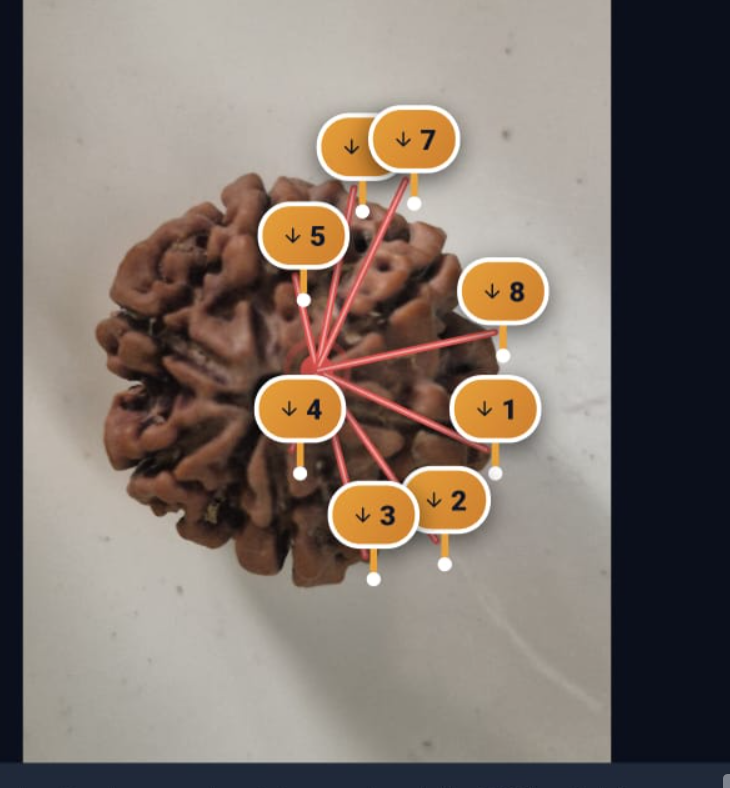
Learning how to start a rudraksha testing lab in india has become one of the highest-margin opportunities in the gemstone and spiritual goods industry. With India accounting for over 75% of global trade in genuine Nepali and Indonesian beads, temples, wholesale jewelers, e-commerce brands, and devotees require verified scientific laboratory certification to protect against glued composite beads, artificial carved Mukhis, and plastic molds.
Establishing a recognized laboratory requires three essential pillars: certified diagnostic hardware, a rigorous Standard Operating Procedure (SOP), and modern rudraksha lab software that automates certificate generation, card printing, and instant online QR verification.
Essential Equipment Needed to Start a Rudraksha Testing Lab in India
Unlike a gold testing center or standard diamond lab, botanical bead testing requires specialized non-destructive radiographic and morphological instrumentation. Here is the exact equipment checklist for a commercial testing setup:
Enables non-destructive cross-sectional locule imaging. High-resolution CMOS or dental sensor (Size 2 or Size 3) paired with a 45–70 kVp portable X-ray unit housed inside a lead-lined cabinet.
Provides 10x to 45x magnification with darkfield illumination to inspect surface furrow textures, carving tool score-marks, synthetic glue seams, and pedicel attachments.
Precision 0.001g digital carat balance equipped with an Archimedes hydrostatic immersion kit to measure exact density (standard genuine range: 1.10 – 1.40 g/cm³), plus digital vernier calipers.
Direct-to-card thermal sublimation printer (Zebra ZC100/300, Evolis Zenius, or Magicard 300) producing CR-80 credit-card sized certificates with holographic anti-counterfeit overlays.
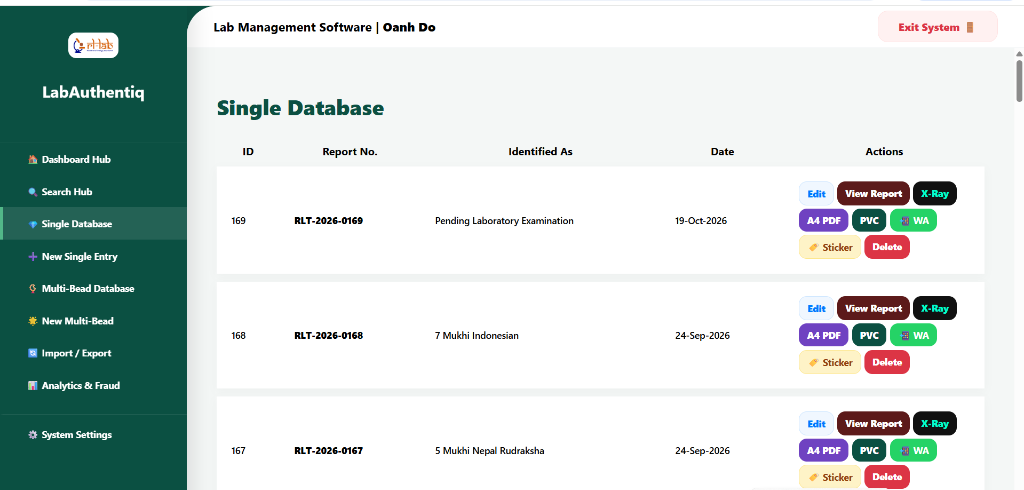
The 6-Step Standard Testing Operating Procedure (SOP)
To achieve ISO 9001:2015 certification and earn trust from luxury spiritual jewelers and international buyers, your laboratory must adhere to a standardized chain-of-custody workflow:
- Intake Logging & Thermal Barcode Tagging: The specimen is weighed on a calibrated scale, assigned a unique certificate code, and placed into a barcode-sealed specimen pouch.
- Ultrasonic Degreasing & Debris Cleaning: Authentic beads often arrive caked in oil, vermillion powder, or dirt. Mild ultrasonic cleaning in distilled water cleans the deep flutes without damaging the woody endocarp.
- Digital Radiography (X-Ray) Exposure: The bead is placed on the digital sensor. A 0.25-second exposure generates the cross-sectional locule radiograph, proving internal seed chambers match external Mukhis.
- Microscopic Furrow & Sobel Edge Analysis: Under 30x magnification and mathematical edge gradient filters, the flutes are scrutinized to ensure lines were naturally grown on the tree, not carved with metal engravers.
- Specific Gravity & Central Lumen Check: Archimedes buoyancy density is calculated to confirm density exceeds that of fake carved Areca nut (supari) or synthetic resin duplicates.
- Instant Smart PVC & A4 Report Printing: The technician submits the test data in LabAuthentiq SaaS, generating a tamper-proof Smart PVC card and cloud QR verification record in under 90 seconds.
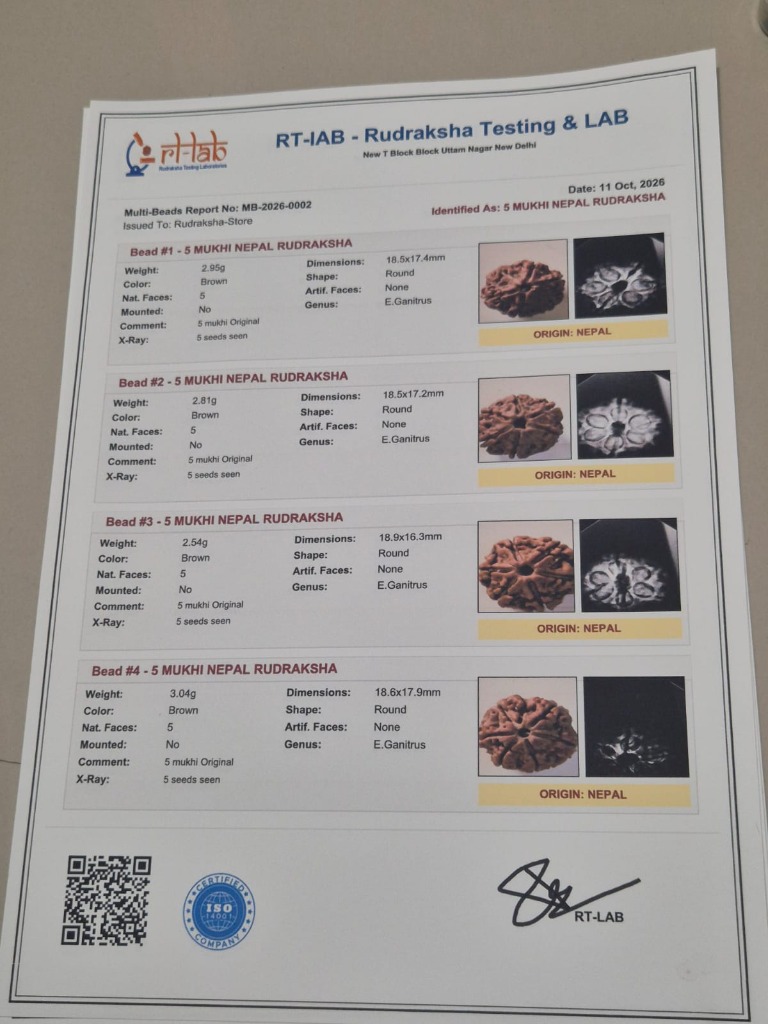 Comprehensive A4 Technical Report Format
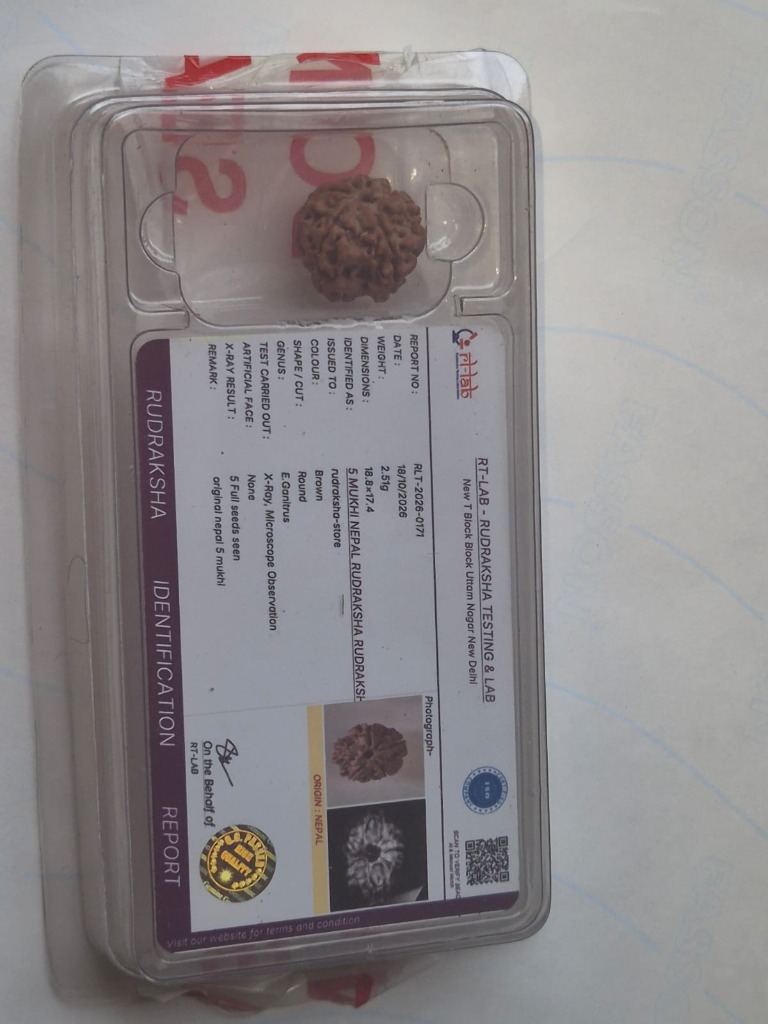 Credit-Card Sized Smart PVC Certificate Badge
Software Selection: Why Excel & Photoshop Destroy Lab Credibility
Many new laboratory owners make the fatal mistake of printing certificates from Microsoft Word or Photoshop templates. This amateur approach invites severe business risks:
- Zero Online Verification: When a customer scans the card, there is no live cloud database to confirm the bead's authentic test history.
- Easy Forgery: Scammers can duplicate Photoshop templates in seconds, diluting your brand reputation. Read our detailed expose on fake Rudraksha lab certificates and the AIGS scandal.
- Slow Throughput: Typing weights, cropping photos, and aligning margins manually takes 30–45 minutes per specimen, capping your lab's revenue at 15–20 beads per day.
By contrast, deploying specialized rudraksha lab software like LabAuthentiq reduces certification time to 90 seconds per bead, allowing a single technician to certify over 150 specimens daily with automated cloud backups.
Recommended Technical Guides & Whitepapers
Frequently Asked Questions (FAQ)
How much does it cost to set up a Rudraksha testing lab in India? ↓
Total setup costs range between ₹2.5 Lakhs and ₹6 Lakhs. This covers a digital X-ray sensor (₹1.5L - ₹3.5L), stereomicroscope with camera (₹35,000 - ₹60,000), Smart PVC card printer (₹45,000 - ₹80,000), hydrostatic specific gravity scale (₹15,000), and LabAuthentiq SaaS software (₹15,000/yr introductory offer).
What are the legal compliance requirements for X-Ray equipment? ↓
Laboratories in India must ensure their X-ray equipment is housed in fully shielded lead cabinets that prevent scatter radiation. Using low-kV dental-type sensors ensures exposure levels remain negligible and safe for commercial lab operators.
How much can a lab charge per tested certificate? ↓
Standard commercial testing fees range from ₹150 to ₹350 for regular single beads (4 to 7 Mukhi). Higher-value specimens (1 Mukhi, 14–21 Mukhi, Gauri Shankar) and multi-bead mala dossiers command ₹800 to ₹3,500 each.
How fast can our lab go live with LabAuthentiq? ↓
Turnkey onboarding takes just 48 hours. The LabAuthentiq engineering team provisions your cloud hosting, configures your custom lab domain, sets up your logo and digital signature stamps, and calibrates your Smart PVC card print templates.
Ready to Launch Your Testing Laboratory?
Get instant access to LabAuthentiq SaaS with 1 Year of High-Speed Cloud Hosting, pre-configured PVC templates, and personalized technical onboarding.